Cart (0 Items)
Your cart is currently empty.
View ProductsIt looks like you are visiting from outside the EU. Switch to the US version to see local pricing in USD and local shipping.
Switch to US ($)
 Philippe Funfrock
The discovery of functional antibody fragments and heavy-chain antibodies has intensified and propelled the development of innovative antibody engineering techniques. Through the use of these techniques, researchers have continued…
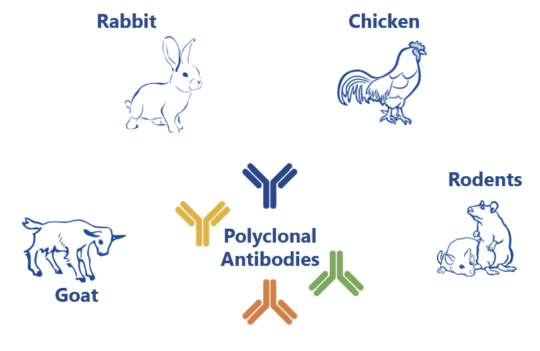
Previously, we have discussed the potential benefits and drawbacks of using polyclonal antibodies for research and diagnostics. We have also… Read More

Foodborne illnesses continue to impose a heavy burden on human health worldwide. Thus, it is important to devise cost-effective strategies… Read More
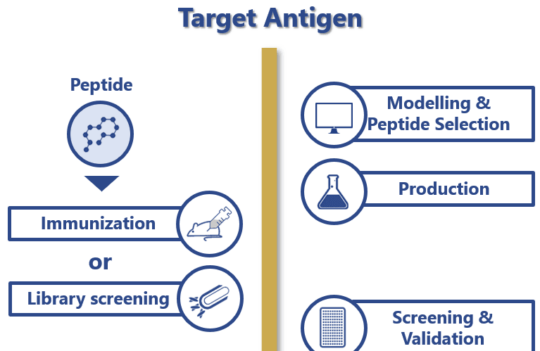
The discovery of peptide antibodies has reduced antibody generation costs and increased the specificity of natural monoclonal antibodies. These antibodies… Read More
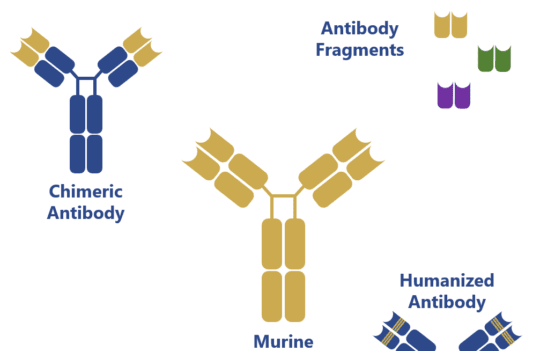
Murine monoclonal antibodies were the first antibodies ever to be produced at lab-scale thanks to the discovery of the hybridoma… Read More

In a specific sense, antibody production steps include the synthesis and purification of the antigen (peptide, protein, or DNA), the… Read More
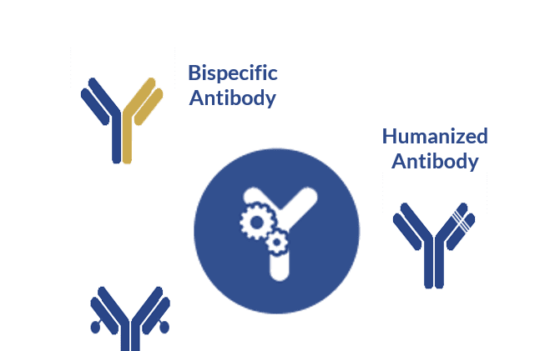
Antibody development consists in the modification and engineering of monoclonal antibodies. These techniques can be used to increase or decrease… Read More

In a previous article, we highlighted the benefits and drawbacks of using monoclonal and polyclonal antibodies. In this article,… Read More
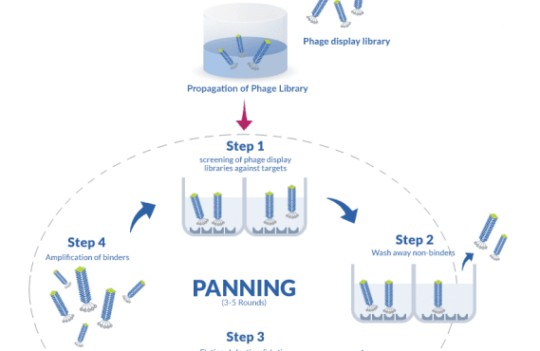
Bérangère BIHAN-AVALLE, researcher at the Enzyme and Cell Engineering Unit UMR 7025 CNRS (GEC) and expert in Phage Display Technology,… Read More
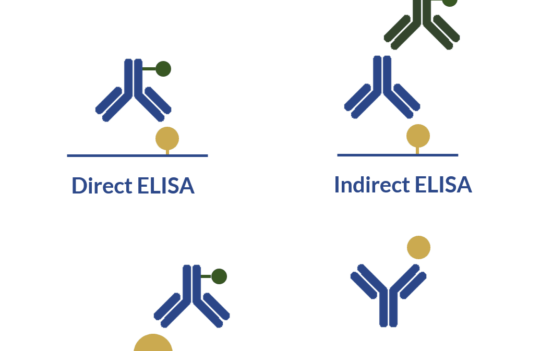
Immunoassays use primary antibodies for the detection and quantification of specific antigens in different types of samples. To date, ELISA… Read More